
Osada: Learning Something Old Every Day
And a little experimentation with grapes

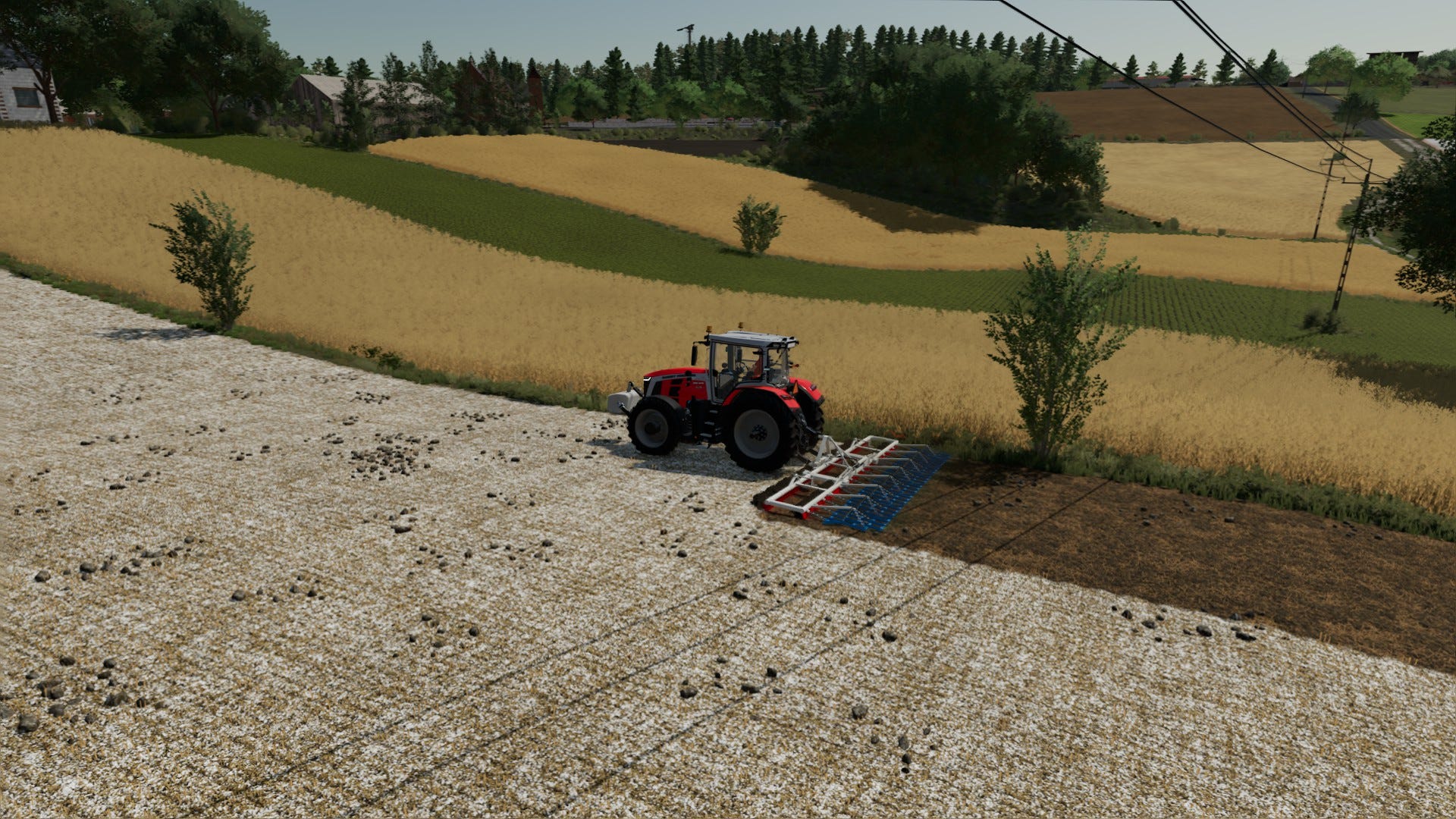
I closed out August by not doing contracts. Well, that’s incorrect. I did some cultivating contracts—more news on that later—but there were plenty of others I didn’t do.
There were harvesting and fertilising contracts I skipped over. I’m not sure what it is but the feeling I have for myself is I’m gearing to wrap it all up here, or maybe it’s just the main farming seasons closing out. Of course, sure, a few thousand Euros extra would be great but the last of the multi-step contracts; harvest and haul; fertilize and ensure my stocks of fertilizer are correct aren’t really for me any more.
Drive to the field and simply drop my cultivator down is easy, it’s streamlined, I can get it out of the way quickly. For all the few thousand litres of surplus crop a harvesting contract would give me it doesn’t actually work out as a massive income:effort reward when I’ve completed everything. Especially when I might not be around to sell the extra crop at its highest price.
I don’t feel like I’m getting ahead of myself. I think if was continuing on with Osada this would be around the time I’d be looking to focus on my own farm and not so much the contracts. This is just the culmination of that with me moving onto The Western Wilds.
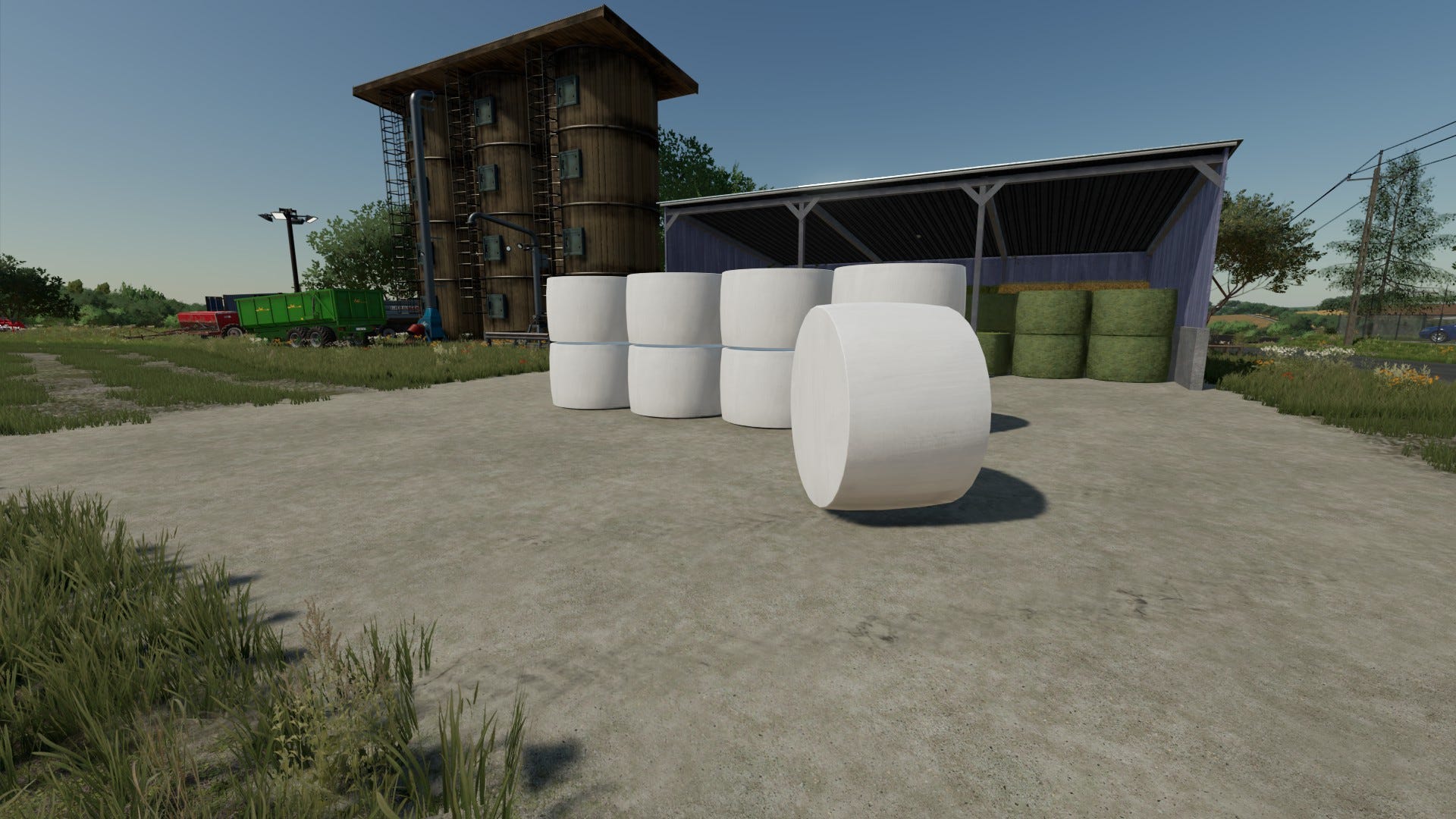
What I did do was prepare my supplies for the final year I’d be here. I did a rough calculation of how much Total Mixed Ration I’d need for the cattle. It works out at about 200,000 litres. I took bales of silage, straw and hay and set them all to process in my little unit, making enough to see out the year I have left. Plus a little more.
Now, there is something else in the works. Obviously we all talk here in Osada, it’s only natural in such a small area. When your field is right next to another farmer’s, and when you’re doing contracts for them you end up having the odd conversation with people. Sometimes it’s just over the weather. Sometimes it’s about equipment and what would be best for a certain job. Sometimes it’s hard tack business. This was one of those occasions, but friendly, as always.
Word has gotten out I might be moving on and selling up. A few people have already told me they’ll miss me, especially after they’ve just gotten used to my strange little ways. But that doesn’t stop business. I know there’ll be offers for my land, and there’s no worries for that. What is a worry is the properties I’ve developed.
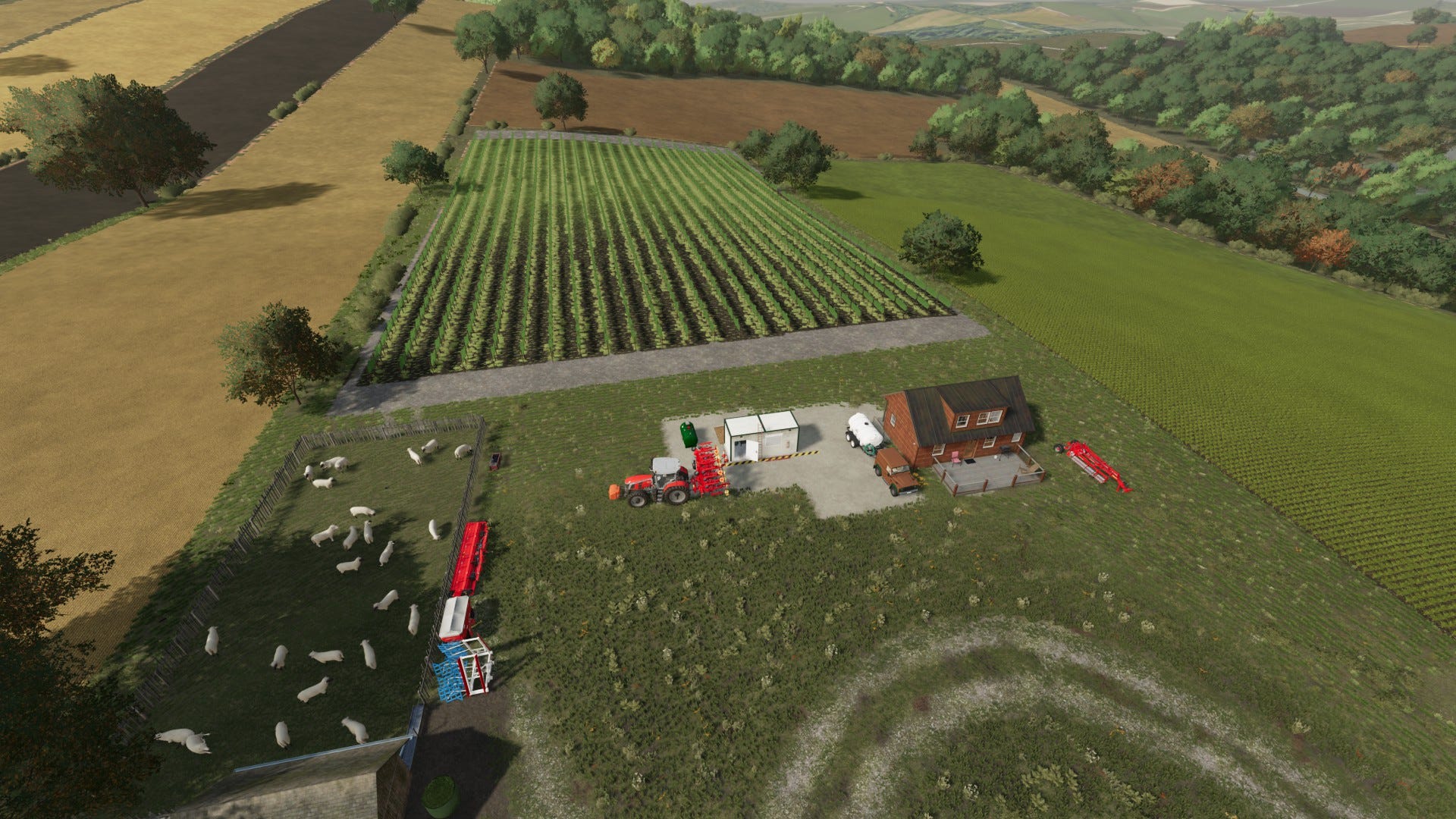
I have the land I started out with, that I inherited, and I have a little garden field of grape vine behind it. I wasn’t quite sure on how to value that, not with the money I’ve put into it, and I wasn’t sure who’d want it.
Well… I’ve had one suggestion.
With me pulling out from contracts a few of the farmers are looking to help establish someone new in the area who can help them. They’ve put feelers out; to nephews, nieces, cousins, etc. And I’ve been told someone is willing to take all the yard land on from me.
Now, I’ll sell my fields on the open market, along with my animals. Or at least the pigs and cattle. I’ll sell those separate farmyards too, just like the fields. But my sheep pen, chicken pen and vineyard could, maybe, possibly... be taken on as a going concern.
The girl they have coming in grew up around farms. She’s just graduated from a technological university in farmland management and practices and is looking to start out. She’s doesn’t have the cash to start a farm completely herself, but she is willing to rent from me.
I was told if I work out a monthly figure she’ll take a look at it, what it compares to the value of having her own home and facility in Osada to base on for contracts, plus what she’d make from her own small setup of sheep, chickens and grapes, and she’d pay a monthly fee to rent it all from me.
I’d still own the land but it’d be used. And it’d help the farmers here by having a contractor based in Osada who has some connection to the land she’s working.
This seems like a good idea for me, if the finances can be agreed on. Especially as I won’t be getting rid of the land The Old Farmer started me out with. It’ll still be mine and I won’t be abandoning what he gave me. Not only that, but it’d be starting out someone young just like the farmyard started me out.
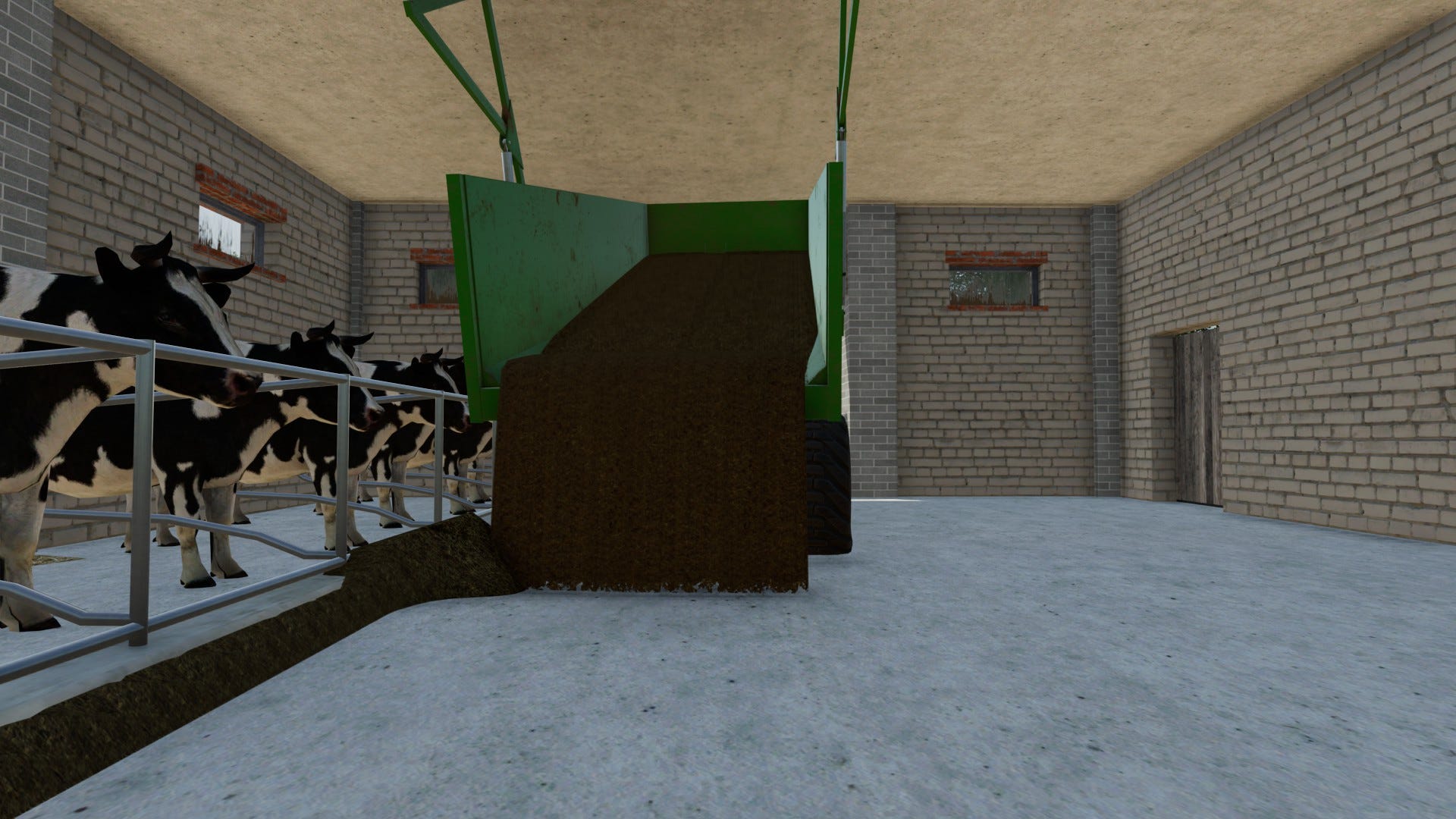
With business matters rattling around my head it was onto the late-in-the-day, or more the late-in-the-month activities, as things wound down before we began all fresh again, of sorting out the animals. I topped up the pigs, chicken, sheep (and gave them water,) and also gave the TMR to my cattle. I think I made a little too much TMR with my production facility. Nearly 60,000 litres too much, but I’m sure whoever takes the cattle over from me will need some to see them through their first few months.
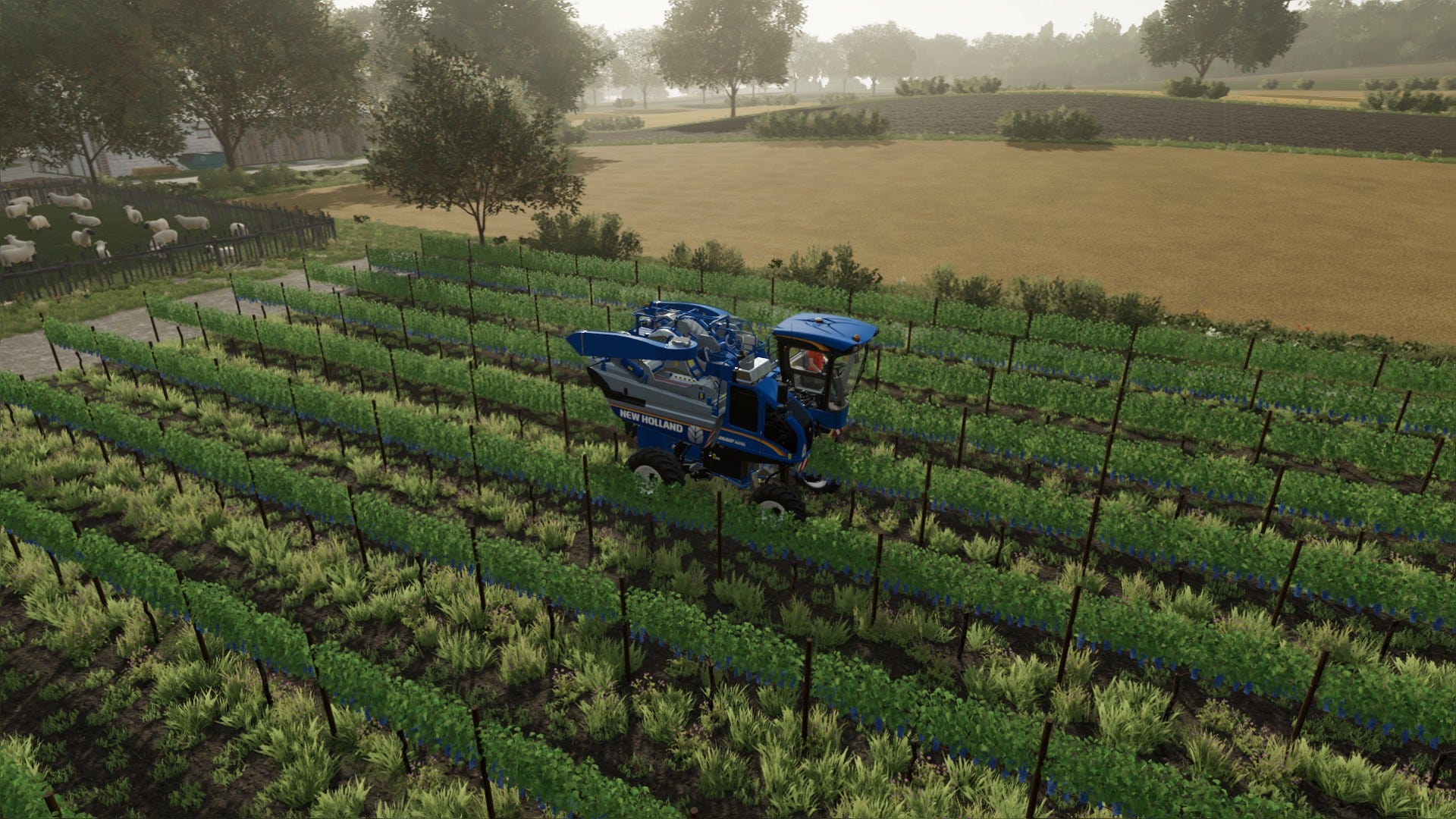
September started out with getting the grapes in, and this involved a little experimentation. Or possibly what some would say was a “waste of money” seeing as with the cost I won’t make a profit from grapes this year. I rented the big boy; the New Holland.
Previously I’d been using a Pellenc towed harvester. I’d rent it every year when it came to do the grapes as I just couldn’t justify the price of a new one, and no grape harvester ever came up on the second hand market. Which I guess isn’t that much of a surprise given the type of farming done around here.
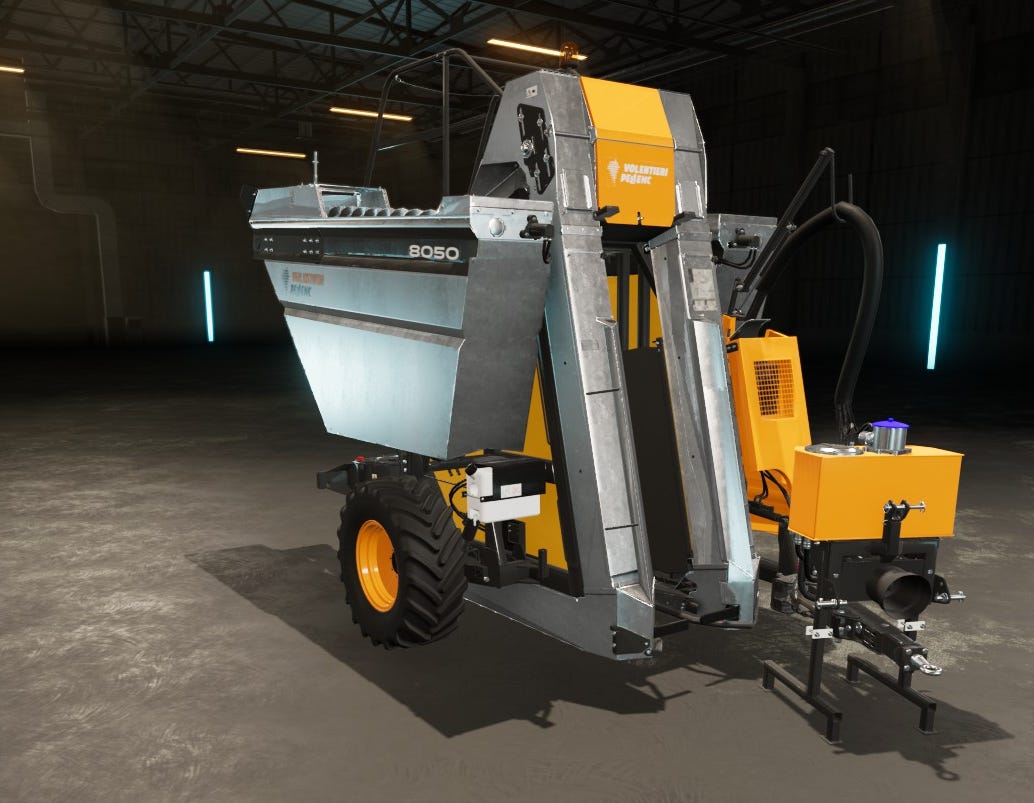
Now the Pellenc towed harvester wasn’t great but it did its job. It worked exactly how it should work but I wanted to compare it to a more standard New Holland to properly evaluate the two. Without experimentation this year I wouldn’t have another opportunity for a considerable amount of time.
The Pellenc has a smaller bin for storing the harvested grapes, meaning I could only get three rows done before I have to empty it compared to four with the New Holland. The other comparisons, at least technical comparisons, were with the turning circle at the end of the rows.
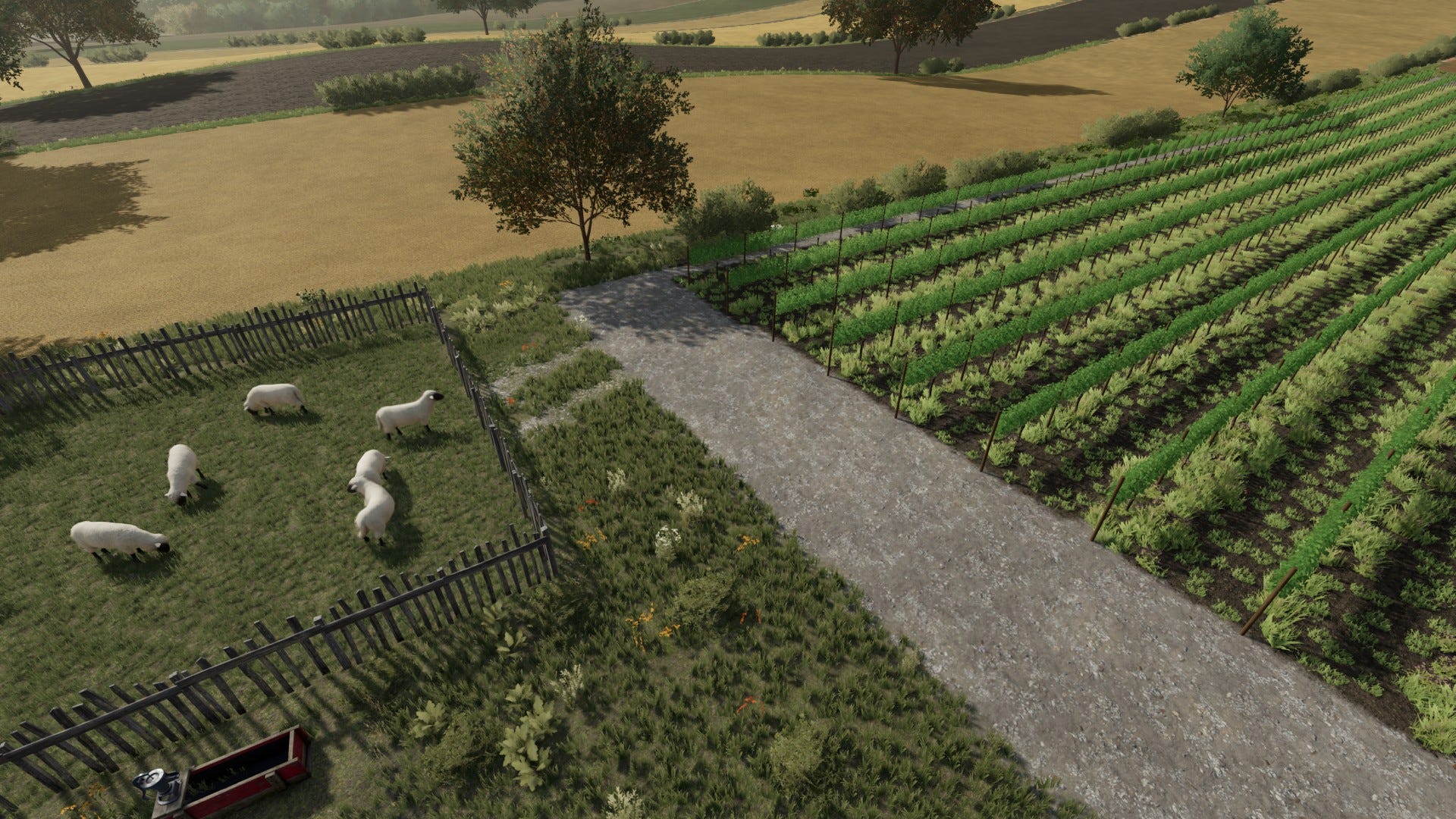
I wasn’t quite thinking when I set up my sheep pen and my rows of vines. I was thinking, in one way, but it was about maximising the value of the land area available to me. I thought I’d have enough room to turn around whatever harvester I ended up with, but I didn’t have the knowledge, or experience, to make an informed decision.
Now that I’ve used both systems, Pellenc and New Holland, I can say they’re a little similar in that they have disadvantages but what that precise disadvantage is differs. The New Holland is a lot more stable but has a wider turning circle, necessitating a smooth and slow turn. The Pellenc has a hitch, or a doohickey near the hitch, that sometimes makes a turn unstable. You see, the doohickey near the hitch catches on the hitch if you make a sharp turn in one particular direction. Not the end of the world, but it can make for some rather alarming times in the tiny cab of your little grape harvester tractor if you turn too quickly—the New Holland simply won’t let you turn like that.
On balance I think I’d prefer the New Holland, especially as being an all-in-one machine it makes it easier to keep it on the right track as you drive over the vines. Or maybe it just takes a little less attention, freeing your mind up a bit. The stability and ease is just enough to tip it over into the correct purchase for me. Especially when you combine it with a larger hopper.
That’s not the entire story, though. The New Holland is about double the price of the Pellenc. And that’s going to be a massive factor in any decision you make. The Pellenc system is great if you have less cash, and I’d be seriously tempted by one if I continued on in Osada, especially if I could modify the bins to just a few hundred litres to get a full four rows of vines done in one go.
One decision I have made, I believe, is I won’t be taking my grape equipment with me to The Western Wilds.
If I do grapes again, or need a small tractor for doing something similar like olives, it’ll be a long way down the line. No fanciful indulgences of having a vineyard outside my back window for me again. Not until I’ve figured out the costs fully.
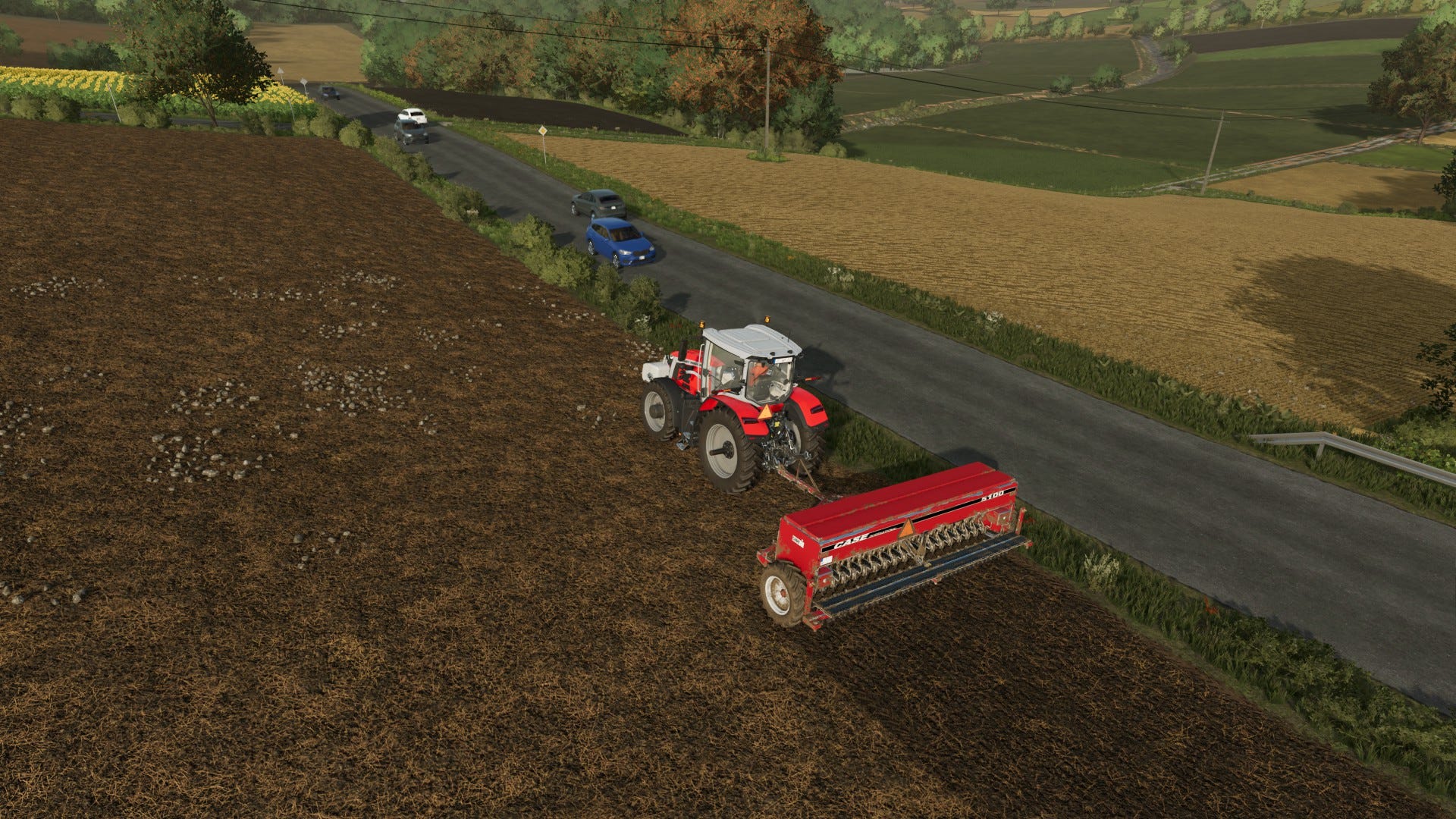
Apart from that the start of September involved getting some wheat seed in the ground. You can see me here with my Case 5100. I said earlier in the blog I’d talk about my cultivating and now is the time. I didn’t need to cultivate my fields.
After doing a little stock take on my equipment, and watching some videos of other farmers using them, it turns out the Case 5100 is a direct drill.
Cultivating makes for a nice seedbed, sure, but it’s not essential. I might still use my cultivator after I harvest something like sorghum, especially if I’m not mulching the ground, purely because crops like sorghum leave a lot of high stalk. But, really, I’ve been wasting a lot of time over the past few years cultivating instead of just putting the seed straight in. Whoopsy!
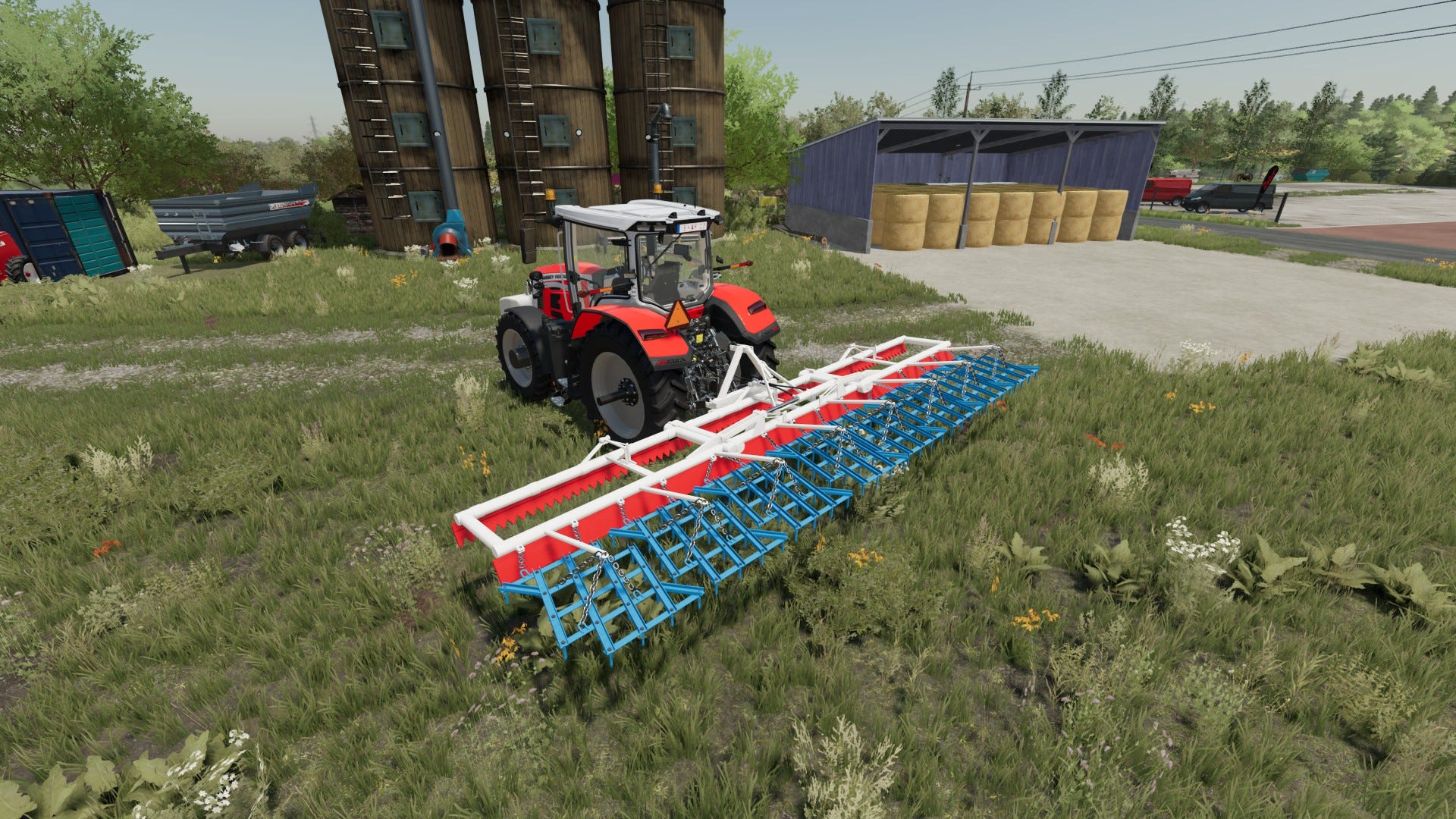
This means I might not have a need to take my cultivator with me to The Western Wilds, saving on the shipping cost. The cultivator I have, apart from being in lovely red, white and blue colours—perfect for the US—isn’t that expensive. If I need to buy it again, new, in the future, it won’t be too much of a hit on the bank account.
After the wheat it was just hoeing the crops that grew up with weeds after I planted them last month, and now I have most of September ahead of me.
Whether I wile away my days watching TV, which is a possibility, or I actually do some contracts I don’t know. I’m just not pushed for time. I don’t think I’ll come up with any more crazy ideas in the next month. Sure the days are closing in and the darkness could send me doolally but it’s not completely dark yet.
What it does do is set me up for a nice winter where I take account of everything I have, get a few odd jobs out of the way, maybe sell the first few pigs I have coming to the right age—I’m very excited about that—and really get ready for one final season of harvesting, and maybe a few more well paying grass contracts, before I move onto my new adventure in a new area. Before I commit, if I do, to The Western Wilds.